As the NHS continues to face its most significant dental workforce challenges in a decade, new opportunities are emerging across the profession. With more than 2,000 dental posts unfilled across the UK and a growing focus on prevention, digital innovation, and flexible models of care, 2026 is expected to be a transformative year for dental professionals.
According to NHS England, improving patient access to dental care remains a national priority that depends on attracting and retaining skilled clinicians.
Below, we explore the dental roles set to thrive in 2026, the market forces shaping them, and practical insights for professionals looking to stay ahead.
The shift toward preventive, team-based dentistry is fuelling strong demand for dental therapists and hygienists. Practices increasingly delegate routine restorative and periodontal treatments to these professionals to improve capacity and patient outcomes. To stay competitive, clinicians in this field should complete accredited programmes, record substantial supervised clinical hours, and build portfolios showcasing restorative and patient education skills. Further training in local anaesthesia and extended restorative techniques, within the GDC Scope of Practice, can significantly enhance employability.
Even as contract pressures continue, experienced General Dental Practitioners (GDPs) remain highly sought after. Many practices now operate hybrid NHS–private models to maintain stability, and flexible locum clinicians are essential to meeting patient demand. Keeping performer numbers active, maintaining robust CPD records, and demonstrating efficiency in UDA delivery all strengthen employability. Locum dentists, in particular, benefit from strong relationships with Verovian dental recruitment agency and up-to-date compliance documentation, including enhanced DBS checks and professional indemnity.
With the UK’s implantology market steadily expanding, clinicians trained in implant placement and complex restorative care are seeing growing opportunities in private practice. This trend is fuelled by an ageing population and rising expectations for advanced prosthetic solutions. Dentists who invest in formal implant training, such as postgraduate diplomas or courses accredited by the British Association of Oral Surgeons (BAOS), will find themselves well placed. Documented case logs, digital planning expertise, and collaboration with high-quality dental laboratories can set skilled clinicians apart.
Aesthetic orthodontics continues to surge in popularity, particularly among adult patients seeking discreet, removable aligner systems. Limited NHS provision has led to rapid private growth, creating opportunities for orthodontists and general practitioners trained in aligner therapies. Professionals who pursue recognised certification (such as Invisalign or ClearCorrect) and develop proficiency with digital scanning and planning systems are well positioned to thrive. Building a visual portfolio of successful case outcomes and patient testimonials can also enhance professional visibility.
The laboratory sector is undergoing a technological revolution. CAD/CAM design, 3D printing, and digital workflows are transforming how dental technicians and clinical dental technicians deliver results. Those skilled in software such as 3Shape or Exocad and able to collaborate closely with clinicians are becoming indispensable to modern practice operations. Joining professional networks like the Dental Technologists Association (DTA) and maintaining a portfolio of digital case studies will strengthen professional credibility.
An ageing population and increasing prevalence of chronic conditions are driving demand for domiciliary and special-care dentistry. These professionals provide vital treatment to patients in care homes, hospitals, or private residences who may otherwise struggle to access dental services. Dentists looking to enter this field should seek training in sedation and patient management for complex medical histories while developing confidence with portable dental equipment and risk assessment. Networking with local social care and community health teams can also open new referral pathways.
Across the UK, dental nurses who combine clinical competence with leadership and adaptability are in short supply. Those qualified in radiography, oral health education, or infection prevention play a crucial role in maintaining efficiency and patient safety. By undertaking post-qualification courses through the National Examining Board for Dental Nurses (NEBDN), dental nurses can expand their skillset and open pathways into senior or managerial roles. Practices particularly value nurses who demonstrate initiative, reliability, and strong communication.
The success of any dental business now depends heavily on effective management. With ongoing NHS contract reforms, digital compliance systems, and mixed-funding models, practice managers and clinician-leaders who understand both operational and clinical dynamics are in increasing demand. Qualifications in healthcare management, familiarity with CQC standards, and proficiency with digital practice-management software are major assets. Financial literacy, HR capability, and team leadership complete the modern management profile.

The General Dental Council (GDC) continues to guide the profession’s evolution through updated scope, ethics, and CPD standards. Meanwhile, NHS dental recovery plans and contract pilots will reshape funding and workforce distribution in the coming years. Staying informed not only ensures compliance but also positions professionals to seize opportunities as new models of care emerge.
The next year will reward dental professionals who combine clinical excellence with digital fluency and an appetite for lifelong learning. Whether you are a newly qualified therapist, an experienced GDP expanding into private practice, or a technician mastering digital workflows, success in 2026 will depend on readiness, adaptability, and strategic career planning.
We connect skilled dental professionals with practices across the UK that value clinical excellence and compassionate care. Explore permanent, locum, and leadership roles tailored to your expertise and ambitions.
Visit our Dental Careers Portal to discover the latest opportunities and expert career support for 2026 and beyond.
The UK continues to struggle with shortages in dental workforce capacity, driving demand for skilled professionals from abroad. For overseas-trained dentists, this climate presents an opportunity to bridge gaps in UK dental care and make a meaningful contribution to public health.
However, to work as a dentist in the UK, whether within the NHS or in private practice, you must be registered with the General Dental Council (GDC). The GDC ensures that all practicing dental professionals consistently meet standards of competence, ethics, and patient safety. This blog offers a step-by-step framework for overseas dentists to achieve full GDC registration through the ORE or LDS route while staying informed about evolving policy changes and gaining practical insights.
You cannot practise dentistry in the UK legally without GDC registration. The GDC register is the official list of qualified dental professionals permitted to treat patients unsupervised. Only once your name appears on that register can you work as a dentist in the UK in any capacity.
Before you even choose your route, you must satisfy a few baseline conditions:
If your dental qualification is automatically recognised (e.g., EEA qualifications, under certain historical rules), you may not need to take ORE or LDS. But for many overseas-qualified dentists whose qualifications are not recognised, the two main routes are:
A system of provisional registration has been under consultation, which might allow supervised practice before full registration, but as of now, the pathway is not yet live. Always check for news on that from GDC updates.
The Overseas Registration Exam (ORE) is tailored for dentists with non-recognised foreign qualifications to demonstrate equivalence with UK-trained dentists. Passing the ORE allows you to apply for full GDC registration, thereby enabling you to practise dentistry in the UK.
The GDC offers ORE sittings multiple times a year, contingent on capacity. Before booking, you must pass eligibility checks, and you are limited in the number of attempts and the period in which you must complete both parts. To succeed, many candidates engage in structured coaching courses, mock examinations, and a thorough study of UK-oriented dental protocols.
Because the ORE is managed by the same body (GDC) that grants registration, it is often seen as the more direct route for many international dentists seeking to practise in the UK.
The Licentiate in Dental Surgery (LDS) examination, administered by the Royal College of Surgeons of England, is an alternative route for overseas dentists to demonstrate a level of competence equivalent to UK standards. Passing the LDS also qualifies you to apply for full GDC registration.
LDS is composed of two parts, examining both theoretical knowledge and hands-on dental skills. It is typically offered once or twice each year, with limited seats, making the exam highly competitive. Dentists who pass both parts can proceed with applying for registration to the GDC.
Because it is administered by the College of Surgeons of England, the LDS tends to attract candidates seeking prestige and recognition, but the trade-off is low availability and greater competition.
Although both routes lead to full registration with the GDC, differences matter when you plan your career:
If your priority is faster access and more scheduling flexibility, ORE may be more attractive. If you prefer a credential associated with a renowned institution and are confident in a tougher competitive field, LDS might be suitable.
Your decision should factor in exam timing, cost, how soon you wish to practise dentistry in the UK, and personal strengths in written vs. clinical assessments.
Once your application is approved, you appear on the GDC register and can practise unsupervised in the UK.

While many overseas-qualified dentists successfully register with the GDC, the process can be demanding. Here are some challenges you may face along the way:
1. Exam Backlogs
High demand often limits ORE and LDS exam slots, leading to long waiting periods before candidates can sit the exams.
2. Slow Document Verification
Credential checks across international bodies can take time, delaying the overall registration process.
3. Travel and Financial Costs
Overseas dentists must plan for visa fees, travel, and accommodation costs when attending exams in the UK.
4. Policy Changes
GDC policies evolve, such as the proposed provisional registration system, which may affect timelines and requirements. Staying updated is essential.
Achieving GDC registration is not just a bureaucratic hurdle; it unlocks your path to UK dentistry. As a registered dentist, you may join the NHS, private practice, locum work, or academic dental settings. The NHS long-term workforce plan continues to emphasise recruiting qualified dentists, and overseas dentists will be central to meeting that demand.
By understanding the registration process clearly, preparing hedged strategies, and making informed decisions between ORE vs LDS, you position yourself optimally to work as a dentist in the UK.
Verovian Dental Recruitment Agency supports overseas-trained dentists through every step of the ORE, LDS, and GDC registration process, helping you find locum, contract, or permanent roles across the UK.
Contact us today to take your next professional step toward a fulfilling dental career in the United Kingdom.
Dental anxiety is a familiar reality for many patients in the UK. According to NHS figures, more than half of adults admit to feeling anxious about dental appointments, with nearly one in five experiencing dental phobia so severe that they avoid treatment altogether. For dentists, this presents a unique challenge: the ability to provide excellent clinical care is only part of the equation. How dentists communicate with their patients, particularly those who are anxious, can determine whether someone feels confident enough to return for routine care or chooses to delay treatment until problems escalate.
The aim of this blog is to provide dentists with the communication skills needed to transform consultations with anxious patients into a supportive experience that fosters trust and builds lasting relationships.
Anxious patients often find complex terminology overwhelming. Dentists can help by avoiding jargon and explaining procedures in straightforward, relatable terms. For instance, saying “We’ll give your teeth a deep clean to remove hardened plaque” is far less intimidating than “We’ll perform a prophylaxis to remove calculus.” Techniques like tell–show–do, where you explain what will happen, demonstrate it on a model or tool, and then carry it out, can further simplify treatment and give patients a stronger sense of control.
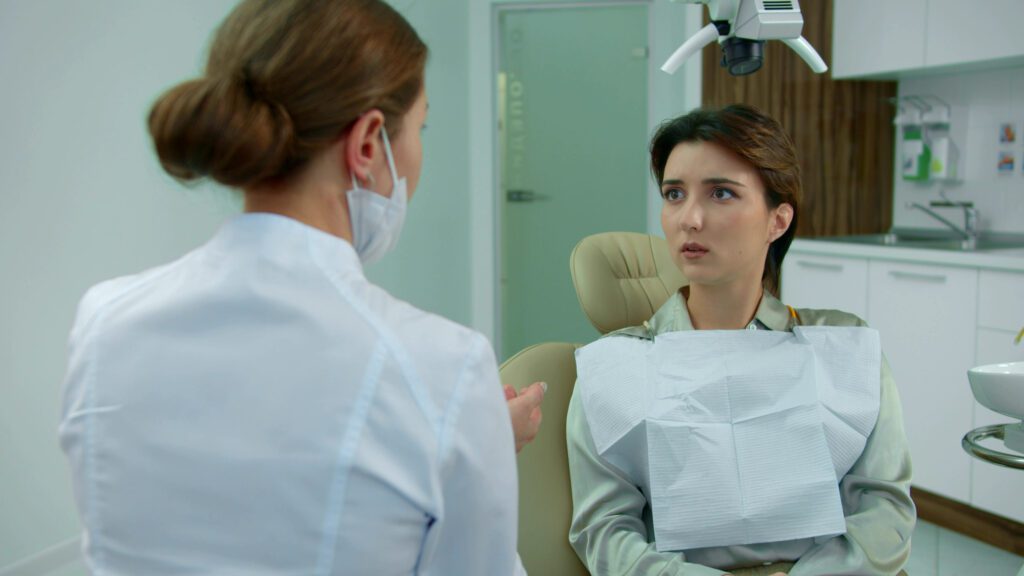
Open conversation helps uncover hidden worries. Patients may hesitate to voice their concerns, but inviting them to ask questions creates a safe space. Asking “What part of today’s appointment worries you most?” or “Would you like me to explain each step as we go along?” can open the door to meaningful dialogue. According to Dental Protection UK, encouraging patients to talk reduces misunderstandings and strengthens trust, which can be especially important for those who are nervous about treatment.
Active listening goes beyond hearing words; it shows patients that their concerns are taken seriously. Dentists can demonstrate active listening by nodding, maintaining eye contact, and repeating back what the patient has said to confirm understanding. This approach helps patients feel respected, reassured, and more willing to share their anxieties openly.
Related blog: Informed Consent in Dentistry: Best Practices to Protect Your Practice
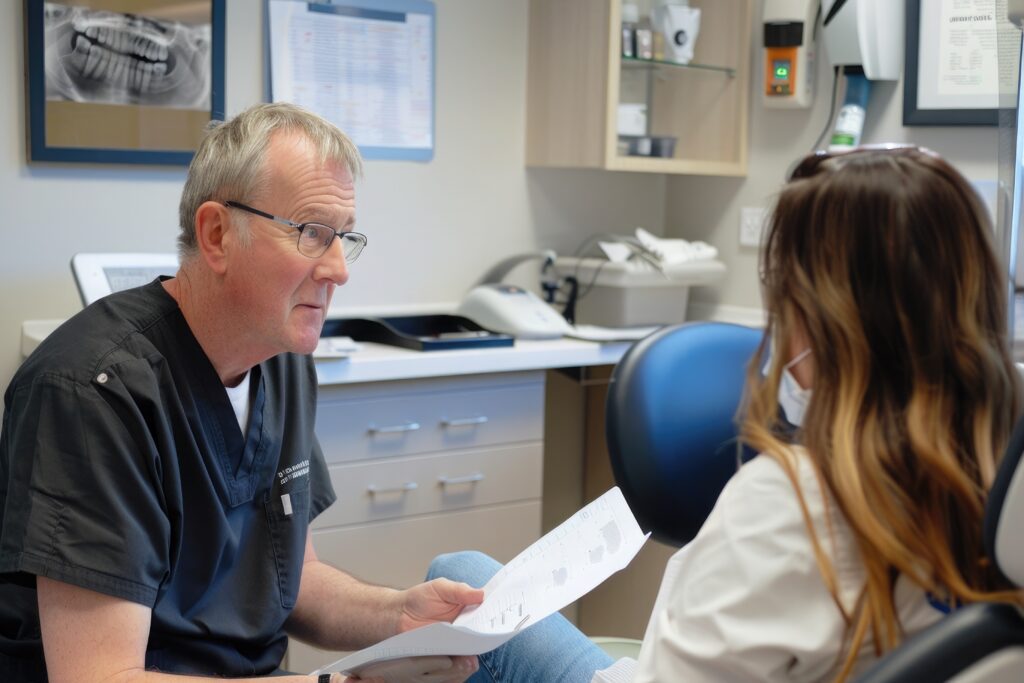
A lack of control is one of the biggest triggers for dental anxiety. Dentists can ease this by making conversations collaborative. Agreeing on a hand signal that allows the patient to pause treatment whenever they need is one simple yet powerful strategy. Checking in with questions like “Are you comfortable to continue?” reassures patients that they can influence the pace of treatment. These conversational cues shift the balance of power, helping anxious patients feel safe and in control.
Trust grows when patients feel that their dentist is being honest. Dismissing concerns can damage the relationship, while carefully balancing truth with reassurance builds confidence. For instance, saying “You might feel a small pinch, but it will pass quickly, and I’ll check in with you right away” sets realistic expectations without increasing fear. Research has shown that patients who feel their dentist communicates openly are more likely to tolerate procedures and leave with a positive impression of their care.
With the UK’s diverse population, dentists must also be mindful of cultural sensitivities. Respecting differences in communication styles, personal space, or attitudes toward healthcare helps create a more inclusive experience. Asking, “Is there anything you’d like me to know about how you prefer to be treated?” gives patients the chance to express their needs. Culturally competent conversations not only reduce anxiety but also show patients that their values and backgrounds are respected, which enhances trust and satisfaction.

Finally, how you end the conversation with your patient matters just as much as how you begin it. When you thank patients for attending, acknowledge their courage in facing anxiety, and highlight the progress they’ve made, you help reshape how they view dental care. For example, you might say, “You did really well today – it’s a big step forward,” or “I know you were nervous, but you handled it brilliantly.” By offering these affirmations, you encourage your patients to return for future visits with greater confidence and less fear.
Conversations are one of the most effective tools dentists have for supporting anxious patients. By acknowledging fears, simplifying language, encouraging dialogue, practising active listening, offering control, balancing honesty with reassurance, showing cultural sensitivity, and reinforcing positive experiences, you can transform what might otherwise be a distressing appointment into a supportive and empowering experience. Strong communication not only reduces anxiety but also builds lasting trust and helps patients prioritise their oral health with confidence.
Every dental professional deserves a role where their skills, dedication, and passion for patient care are recognised and valued. At Verovian Dental Agency, we connect dentists, dental hygienists, and dental nurses across the UK with practices that offer the right environment for professional growth and job satisfaction. Whether you’re seeking flexibility through locum work or the stability of a permanent role, we provide opportunities tailored to your goals.
Take the next step in your career today. Register with us today and discover a role that’s the perfect fit for you.
At the heart of regulated dentistry in the United Kingdom stands the General Dental Council (GDC). As the independent regulatory body, its primary mandate is crystal clear: to protect patients and maintain the public's confidence in dental services. This isn't a passive role; the GDC actively sets the educational requirements for dental professionals, maintains the register of qualified practitioners, and, critically, sets and enforces the standards of conduct, performance, and ethics.
For every registered dental professional in the UK – from dentists and dental nurses to hygienists, therapists, technicians, and clinical dental technicians – understanding and embodying these standards is not merely a legal obligation, but a daily commitment.
This comprehensive guide will illuminate the importance of these principles, offer practical steps to seamlessly integrate them into your everyday practice, and help you avoid common pitfalls, ensuring you thrive in your profession while always prioritizing your patients.
The GDC's Standards of Practice are far more than just a regulatory checklist; they are fundamental to every aspect of your professional life:
Legal Obligation: Adherence is mandatory. Being registered with the GDC means you are legally bound to uphold these standards; failure to do so can lead to fitness-to-practice proceedings, potentially impacting your ability to practice.
Ethical Imperative: They define the highest ethical and moral conduct expected of you, guiding your decisions in complex situations.
Patient Safety & Trust: These standards are designed to ensure safe, high-quality care, directly contributing to positive patient outcomes and building crucial public confidence in the dental profession.
Professional Accountability: They provide a framework for accountability, ensuring that dental professionals are responsible for their actions and decisions.
The GDC Standards document itself is thoughtfully structured, typically outlining nine overarching principles supported by detailed guidance. It's crucial to remember this is not a static document; it's regularly reviewed and updated to reflect evolving best practices and societal expectations. Therefore, ongoing engagement with the latest version is essential.
Let's explore the fundamental principles that underpin excellent dental practice in the UK:
This principle is the cornerstone of all dental care. It means prioritising patient well-being above all else, treating every individual with respect, empathy, and without discrimination. It also involves listening to their concerns and adapting your approach to their unique needs and circumstances. For instance, if a patient expresses significant anxiety about a root canal, putting their interests first means discussing all pain management options, offering breaks during the procedure, or even suggesting a referral for sedation dentistry, rather than simply proceeding with treatment as initially planned.
Clear and empathetic communication is vital. You must provide understandable information about treatment options and their associated risks, benefits, and costs, enabling patients to make informed decisions. This includes actively listening to their questions and concerns and ensuring accessible channels for patient feedback and complaints.
Beyond just a signature, valid consent means ensuring a patient fully understands and voluntarily agrees to treatment. This involves providing sufficient information in a way they can comprehend, discussing alternatives, and clarifying their right to refuse or withdraw consent at any point. Meticulous documentation of the consent process is also key.
Confidentiality is paramount. You are responsible for ensuring that patient information is kept secure and confidential, adhering strictly to data protection regulations like GDPR. This extends to how records are stored, accessed, and shared, whether in digital or paper format.
An accessible, fair, and transparent complaints procedure is essential. It not only demonstrates a commitment to patient satisfaction but also provides a vital opportunity to learn from feedback, improve service quality, and restore trust. You must ensure patients' concerns are acknowledged, listened to, and promptly dealt with, providing them with a constructive response.
Effective teamwork and clear communication within the dental team are critical for seamless patient care. This principle covers appropriate referrals, efficient handovers, and fostering respectful and collaborative professional relationships that ultimately benefit the patient.
This principle underscores the critical importance of Continuing Professional Development (CPD). You must actively engage in ongoing learning to keep your skills and knowledge up-to-date, ensuring you always work within your documented scope of practice. It also encompasses maintaining your personal health and demonstrating professional conduct.
These key areas for focused CPD are highly recommended for you:
Clinical Skill Enhancement & Updates refine your practical abilities. For instance, dentists can learn advanced composite bonding, dental nurses can refresh infection control, and hygienists can train in new periodontal therapies. You can find robust CPD through the British Dental Association (BDA), advanced clinical training from the Royal College of Surgeons of England (RCS Eng) - Faculty of Dental Surgery (FDS), and dental nurse-specific opportunities via the British Association of Dental Nurses (BADN).
Ethical Practice & Patient Communication: A CPD that is paramount for building trust and navigating complex interactions. This includes training on managing challenging behaviours, enhancing consent, or workshops on conflict resolution and empathetic communication. Resources like Dental Protection (MPS/MDDUS) provide ethical webinars, Local Dental Committees (LDCs) offer communication training, and the GDC publishes vital guidance and hosts webinars.
Safeguarding & Medical Emergencies: This CPD ensures your professional knowledge extends to protecting all patients, especially the vulnerable. This involves refresher courses in Basic Life Support (BLS), Immediate Life Support (ILS), or safeguarding children and vulnerable adults in dental settings. Look for accredited providers, often endorsed by the Resuscitation Council UK, for BLS/ILS. For safeguarding, organisations like the NSPCC or local authorities provide essential training.
You have a professional and ethical duty to act if you believe patients are at risk. This includes raising concerns about the conduct, performance, or health of a colleague, or about conditions in the practice that could compromise patient safety. Understanding whistleblowing policies and protections is vital here.
This extends beyond the clinical setting. Your professional conduct, both inside and outside the workplace, including appropriate use of social media, must always uphold public confidence in the dental profession. It encompasses honesty, integrity, and avoiding any conflicts of interest.
Translating the GDC Standards from paper to practice requires a proactive approach:
A. Regular Self-Assessment: Make it a habit to regularly review your own practice and compare it against each GDC standard. Utilise any self-assessment tools or checklists provided by the GDC or your professional association to identify areas for improvement.
B. CPD as a Cornerstone: View CPD not as a chore but as your most powerful tool for ensuring compliance and enhancing your skills. Choose CPD activities directly relevant to the GDC principles, such as communication workshops, infection control updates, or advanced clinical training. Remember to meticulously document all your CPD.
C. Exemplary Record Keeping: Embrace detailed, accurate, and contemporaneous record keeping as a fundamental aspect of good practice. Records should be clear, comprehensive, and easily accessible, serving as a reliable account of patient care and decision-making.
D. Team Briefings and Training: Ensure the entire dental team understands and adheres to the standards. Regular team meetings, internal training sessions, and open discussions about GDC guidance can foster a shared commitment to compliance and a culture of safety.
E. Handling Ethical Dilemmas: Develop a structured approach to applying GDC principles in complex patient situations or ethical dilemmas. Discussing these scenarios with senior colleagues or seeking advice from professional bodies can be invaluable.
Even with the best intentions, certain pitfalls can lead to non-compliance:
A. Complacency: The danger of assuming "we've always done it this way" or that existing practices are sufficient. Regularly review and update procedures.
B. Inadequate Record Keeping: This is a very common issue. Poor records can severely hinder your defence in a complaint or GDC investigation. Implement robust, consistent systems.
C. Communication Breakdowns: Misunderstandings with patients or within the team can lead to complaints and poor outcomes. Invest in communication skills training and foster an open dialogue environment.
D. Neglecting CPD: Failing to engage in ongoing learning can lead to outdated practice, skill decay, and potential fitness to practice issues. Plan and commit to your CPD.
E. Lack of Awareness of Updates: GDC guidance evolves. Regularly check the GDC website and professional association updates to stay current.
The GDC Standards of Practice are more than just a regulatory framework; they are the blueprint for truly excellent dental care in the UK. Your unwavering commitment to these standards is fundamental to ensuring patient safety, maintaining the integrity of your profession, and ultimately, building a rewarding and resilient career.
Embrace these standards as an ongoing journey of professional growth. Regularly review the full GDC Standards document, commit to continuous learning through meaningful CPD, and champion best practices within your team. By doing so, you're not just meeting your obligations; you're actively contributing to a dental profession that is trusted, respected, and always striving for the very best.
At Verovian Dental Recruitment, we understand that true professional satisfaction comes from working where compliance, ethical excellence, and outstanding patient care are paramount.
We specialise in connecting dedicated dental professionals like you with practices that don't just meet the GDC's requirements, but actively champion them. Whether you're a dentist eager for a new opportunity or a practice committed to building a team of ethical and proficient talent, Verovian Dental Recruitment is your partner.
Register with us today to discover roles that align with your commitment to best practices and a culture of professionalism.
Dental practices across the UK are grappling with significant workforce challenges that affect both NHS and private dentistry. Ongoing staffing shortages have made it increasingly difficult for dental teams to provide consistent, high-quality care. This issue is particularly acute in rural and coastal regions, where uneven distribution of dental professionals limits access to care.
For practice owners, strengthening recruitment and improving retention are now strategic imperatives to safeguard oral healthcare services and ensure continuity of patient care.
This blog provides practical recruitment and retention strategies to help UK dental practice owners address workforce shortages and maintain quality dental care.
Recent reports from NHS England highlight significant challenges in filling NHS dental vacancies, with many positions remaining unoccupied for extended periods. A qualitative study published in BMC Health Services Research identifies burnout, limited clinical autonomy, and declining job satisfaction as key factors prompting numerous dental practitioners, especially within the NHS, to reconsider their careers.
Several factors contribute to the current state of dentistry in the UK:
The British Dental Association (BDA) has repeatedly stressed the need for systemic reform to protect NHS dentistry and ensure continued access to dental care services.
Workforce shortages result in reduced dental activity, cancelled appointments, and increased waiting times for patients. Practice owners often struggle to recruit and retain reliable dental professionals, which puts additional pressure on existing teams. The strain can compromise the quality of care and increase burnout rates among staff, further exacerbating retention problems.
For dental practices, this means a challenging environment where the ability to deliver comprehensive dental care is compromised. Dentists and dental nurses report significant stress linked to workload, lack of professional development opportunities, and limited work-life balance, particularly in NHS dental services.
To address these workforce shortages and the recruitment and retention crisis, dental practices must adopt practical and research-backed approaches:
A lengthy or cumbersome recruitment process risks losing talented candidates. Partnering with a trusted agency like Verovian Dental Recruitment Agency,which specialises in placing dental professionals across the UK, streamlines hiring and saves time. Virtual interviews widen access, while clear job adverts that reflect your practice’s values, culture, and commitment to care attract the right candidates.
Given local shortages, recruiting from overseas is increasingly common. The General Dental Council (GDC) provides pathways for overseas dentists and dental care professionals to join the UK workforce, including those from countries with mutual recognition agreements. Additionally, recruiting newly qualified dental students and providing structured mentorship can help bridge gaps while supporting workforce development.
A positive, supportive work environment plays a crucial role in retaining dental staff. Practices should promote teamwork, inclusivity, and open communication. Addressing burnout through realistic scheduling and support mechanisms helps improve job satisfaction. Celebrating achievements within the dental team fosters a sense of belonging and motivation.
Opportunities for career progression and skill development are vital to retaining dental care professionals. Practices can offer continuing professional development (CPD) for dental nurses, hygienists, therapists, and dentists. Mentorship programmes for new dental practitioners support smoother transitions into clinical roles. These initiatives not only enhance clinical dental skills but also boost morale and retention.
The COVID-19 pandemic has reshaped priorities, with many dental professionals valuing work-life balance more highly. Practices can offer part-time roles, job shares, term-time contracts, or remote work options for administrative duties. Flexibility helps retain experienced staff who might otherwise leave due to rigid scheduling or retirement plans.
In a competitive recruitment market, showcasing your practice’s commitment to reducing oral health inequalities and advancing dental care can attract candidates who share these values. Highlighting connections with Health Education England, dental charities, or community programmes reinforces your practice’s role in improving oral health access, especially in underserved rural and coastal areas.

Retention begins with understanding and responding to staff needs. Dental professionals often cite limited autonomy, poor work-life balance, and excessive stress as reasons for leaving. Practice owners can improve retention by:
National reforms such as NHS contract changes and the Advancing Dental Care Review are underway, but local action remains essential. Staying updated on regulatory changes ensures alignment with broader strategies, but individual practices must also take responsibility for workforce sustainability.
Addressing recruitment and retention challenges at the practice level helps preserve NHS dental care and supports primary care networks, particularly in areas most affected by shortages.
The UK’s dental staffing crisis demands urgent, practical responses from practice owners. From increased attrition to regional disparities in workforce distribution, the challenge continues to disrupt care delivery and widen oral health inequalities.
By improving work environments, offering flexible roles, and committing to staff development, practice owners can build resilient dental teams. These measures not only enhance job satisfaction but also improve patient outcomes and reinforce the overall stability of dental care delivery.
Adopting a proactive recruitment and retention approach will help ensure long-term success for dental practices across the UK.
Verovian Dental Recruitment Agency connects UK practices with skilled local and international dental professionals. We provide end-to-end recruitment, access to global candidates and workforce planning advice, helping you overcome staffing challenges and build a stronger dental team. Get in touch with us today to find the right talent and keep your practice thriving.
Informed consent is far more than a signature on a form—it’s the cornerstone of ethical, legal, and professional dental practice in the UK. Whether you're a newly qualified dentist or an experienced clinician, ensuring that every patient understands their treatment options, associated risks, and possible outcomes is not only essential for patient care but also critical in protecting your professional reputation and your practice.
In this blog, we explore what informed consent means within UK dentistry, why it matters, and best practices to help you stay compliant, confident, and in control.
Informed consent is the process by which a patient voluntarily agrees to a proposed dental treatment after being fully informed of its nature, risks, benefits, and alternatives. It reflects the trust and collaboration between clinician and patient.
Dentists must ensure that patients not only receive the necessary information but also genuinely understand it and make decisions free from pressure. Consent may be verbal, written, or implied, but clarity and proper documentation are essential.
The 2015 Montgomery v. Lanarkshire Health Board case changed the landscape of medical and dental consent in the UK. It established that practitioners have a duty to inform patients of any material risks involved in a proposed treatment, as well as reasonable alternatives. It’s no longer about what the “reasonable dentist” would disclose—it’s about what the individual patient needs to know.
Informed consent champions a patient's fundamental right to choose what happens to their body. It empowers individuals to make informed decisions about their dental care, moving from a dentist-led approach to a collaborative one where patient values guide treatment.
This isn't just an ethical ideal; it's a legal must in the UK. Dental professionals must secure valid consent before treatment or face legal risks like assault or negligence claims. Regulatory bodies like the General Dental Council (GDC), through their Standards for the Dental Team, and the Care Quality Commission (CQC), via Regulation 11 of the Health and Social Care Act, explicitly mandate obtaining proper consent. Detailed documentation of the consent process, therefore, is crucial legal evidence to demonstrate compliance with these standards and protect against potential disputes.
Beyond legalities, informed consent builds trust. It promotes transparency and honesty, ensuring that treatment aligns with a patient's understanding and personal values. This ethical duty balances the dentist's role in providing care with the patient's right to decide.
When patients understand their diagnosis, treatment options, risks, and benefits, they make better choices. This clarity reduces anxiety and often leads to greater compliance with aftercare, resulting in better long-term oral health and a more positive experience.
Adhering to informed consent principles is central to professional standards set by bodies like the GDC. It's a continuous process, not a one-off event, ensuring patient involvement at every stage of their dental journey and demonstrating good practice.

Dentists must explain diagnoses, procedures, risks, benefits, and alternatives using plain, jargon-free language. It’s vital to check the patient’s understanding—don’t just speak to them, engage with them.
Patients must feel free to make their own decisions without coercion. This includes the right to refuse treatment or to change their mind at any point, even after giving initial consent.
You must ensure your patient has the mental capacity to make informed decisions, as outlined in the Mental Capacity Act 2005. For children and vulnerable adults, additional legal frameworks apply, and consent must be obtained from a parent, guardian, or legal representative when appropriate.
While verbal consent may suffice for routine treatments, written consent is crucial for invasive, complex, or high-risk procedures. Always document what was discussed and agreed upon in the patient’s clinical notes.
Not all patients process information in the same way. Be mindful of language barriers, literacy levels, and disabilities. Use interpreters, diagrams, or digital tools where necessary to support understanding.
A well-documented consent process protects you in the event of a complaint or legal challenge. Records should include:

In a busy practice, it can be tempting to gloss over the consent process. However, skipping steps can lead to misunderstandings, complaints, or even litigation. Take the time to ensure each patient is fully informed.
Just because a patient nods or signs a form doesn’t mean they truly understand. Encourage questions and offer opportunities to reflect or come back with concerns.
Failing to document conversations around consent is a common yet costly oversight. Your notes are often your only defence if a claim arises.
Informed consent is not the sole responsibility of the dentist—it’s a team effort. From dental nurses to treatment coordinators and receptionists, each team member contributes to creating an environment where patients feel respected, well-informed, and empowered to make decisions.
Consistency in communication across your team reinforces trust and minimises the risk of misunderstandings. Holding regular training sessions and role-specific refreshers ensures that everyone understands their part in the consent process and is equipped to support it confidently and competently.
Informed consent isn’t a tick-box exercise—it’s a legal and ethical obligation that also builds trust and enhances the patient experience. By adopting clear, patient-focused communication and meticulous record-keeping, you protect not only your patients but your practice and your professional future.
At Verovian Dental Recruitment, we work with dental practices that prioritise compliance, professionalism, and patient care. Whether you're a dentist seeking a new opportunity or a practice in search of quality talent, we can help. Register with us today to learn more about roles that value ethical excellence and best practices.
The 2025 NHS dental contract reform marks one of the most significant changes to NHS dentistry in nearly two decades. It aims to improve access to NHS dental care, update the outdated funding model, and empower the entire dental workforce. These reforms will have a lasting impact on dental professionals across England, addressing critical challenges within the NHS dental profession.
This blog highlights the key updates in the 2025 NHS dentistry contract, explains why reforming NHS dentistry was necessary, and provides practical guidance for dental teams to adapt successfully to the evolving future for NHS dentistry.
One of the most significant updates in the NHS dental contract is the adjustment of UDA values to more accurately reflect the complexity and time involved in dental procedures. Treatments such as molar extractions, root canal therapy, and periodontal care now attract higher UDA values. This change ensures that dentists receive fairer compensation for delivering complex dental care under NHS dental services.
To improve access to NHS dentistry, especially in rural and underserved areas, the reform introduces a financial incentive for practices accepting new NHS patients. The New Patient Premium is designed to encourage practices to increase patient intake, helping to reduce waiting times and improve the patient experience.
Dental hygienists, therapists, and dental nurses will now be able to deliver a broader range of treatments independently, without direct supervision by dentists. This shift enables the entire dental team to work at the top of their license, improving efficiency within dental practices and allowing dentists to focus on more advanced procedures.
In line with the plan to recover and reform NHS dentistry, practices are incentivised to offer more NHS appointments. This move aims to tackle the longstanding issue of limited access, particularly in high-demand or underfunded regions.
A significant focus of the 2025 NHS dentistry contract is the shift towards preventive care. Education, early intervention, and oral health promotion will now receive better compensation. This change aligns with the broader public health goal of preventing dental disease rather than merely treating it.
The 2025 reform of NHS dentistry is now in effect, representing a crucial step to recover and reform NHS dental services across England. The previous NHS dental contract, based on Units of Dental Activity (UDA), often failed to fairly compensate dental professionals for complex treatments, contributing to workforce challenges and low morale within the NHS dental profession. Many patients continue to struggle to see an NHS dentist due to limited access to NHS dental care, especially in underserved areas. This dental recovery plan, led by NHS England and the Department of Health and Social Care (DHSC), addresses these issues by improving access to NHS dentistry, supporting the entire dental workforce, and incentivising preventive care. The reform is designed to fix NHS dentistry’s broken funding model, enhance workforce sustainability, and secure the future for NHS dentistry by creating a more equitable, efficient, and patient-focused dental service.

The 2025 NHS dentistry reforms will have a significant impact on dental professionals across England, introducing key structural and clinical changes. Practices will face increased accountability, requiring more detailed reporting on patient outcomes to NHS England and Integrated Care Boards (ICBS). The roles of dental hygienists and therapists have been expanded, necessitating adjustments in team structures and workflows. Additionally, all dental staff must undergo training to upskill in both clinical practice and administrative reporting. With a renewed emphasis on preventive care, more time will be devoted to patient education, early intervention, and outreach, shifting the focus from reactive to proactive oral health.
While the reforms offer many benefits, there are also challenges for dental professionals:
To navigate the 2025 contract changes effectively, dental professionals should:
By taking these steps, professionals can meet contractual expectations, enhance patient care, and support the long-term goals of NHS dentistry.
The 2025 NHS dental contract represents a major milestone in the evolution of NHS dentistry. With a stronger emphasis on oral health, access, and workforce flexibility, the reform provides both challenges and opportunities for dental professionals. Those who adapt proactively will be better positioned to deliver high-quality care and ensure the long-term sustainability of NHS dental services.
The ultimate goal is clear: to make NHS dentistry more accessible, equitable, and focused on long-term patient care.
Join Verovian Dental Recruitment Agency today! We connect qualified dental professionals with top NHS and private practices. Apply now!
If you're considering a career in the field of dental care professionals (DCPS) in the UK, you might be weighing the roles of a dental hygienist or dental therapist. These NHS-recognised positions are essential to both public and private dental services. While their responsibilities often overlap, understanding the difference between a dental therapist and a dental hygienist is vital for choosing the right path.
Dental hygienists and dental therapists are registered members of the dental team regulated by the General Dental Council (GDC). Both play preventive roles and support dentists in providing quality care.
Dental hygienists focus on preventive oral care. Their duties include:
They can work under supervision or independently through Direct Access.
Dental therapists offer both hygiene services and a wider range of restorative dental procedures, such as:
They are especially active in NHS community settings, helping to reduce waiting lists and expand access to care.
While both dental therapists and dental hygienists play essential roles in UK dental care, their training, responsibilities, and focus on patients differ.
Though distinct in scope, both dental hygienists and dental therapists share several key responsibilities and professional standards within UK dental practice.
Both are registered and regulated by the General Dental Council (GDC), ensuring they meet national standards and engage in ongoing professional development.
Each role prioritises oral health promotion, patient education, and preventative care, such as advising on oral hygiene, gum disease prevention, and daily tooth brushing habits.
Thanks to Direct Access, both can see patients without a dentist’s referral in certain settings, improving access to routine dental care.
They work across NHS, private, and community dental clinics, supporting general dentistry and public oral health.
Taking on preventative and routine dental procedures both helps ease dentists' workloads, reduce waiting times, and expand patient access to timely treatment.

Dental Hygienists and Therapists are essential members of the wider dental team, including dentists, nurses, and specialists. Their collaborative work ensures:
For instance, a patient might see a hygienist regularly for gum health and oral hygiene education, while being referred to a therapist for fillings or paediatric care each role complements the other.
Your choice between dental hygiene and dental therapy should depend on your career interests:
The outlook is strong for dental hygienists and dental therapists in the UK. Increasing demand for preventative care, restorative treatments, and direct access services ensures continued growth across NHS and private practices.
Dental Therapists and Dental Hygienists are essential to the UK’s dental workforce. Although they share some responsibilities, their training and clinical duties make each role distinct. Whether you're interested in preventative care or restorative procedures, a fulfilling career in dental care awaits. Explore both paths to find the one that aligns with your passion for improving community oral health.
Whether you're looking to practice dental care as a hygienist or therapist, Verovian Dental Recruitment Agency can connect you with flexible roles, supportive teams, and rewarding opportunities across the UK.
Continuing Professional Development (CPD) is a vital aspect of maintaining safe, effective, and up-to-date dental care. Overseen by the General Dental Council (GDC), the CPD requirements ensure that dental professionals across the UK are continually learning and improving their skills throughout their careers.
Recently, the GDC has announced updates to its CPD process, with the goal of making it more reflective, meaningful, and aligned with professional practice. Whether you're a dentist, dental nurse, hygienist, or technician, these changes affect you. In this blog, we’ll break down what’s new, what remains unchanged, and how to stay on track.
The recent changes aim to simplify the process of recording and submitting CPD, making it more straightforward for dental professionals to meet their obligations. They also help CPD providers issue valid certificates more efficiently. These updates respond to feedback from stakeholders who highlighted the practical difficulties many professionals face when documenting their learning.
By easing some of the administrative burden, the GDC hopes to allow dental professionals to concentrate on what truly matters—their ongoing professional development and the delivery of safe, effective patient care.
The GDC has introduced several updates to simplify how you record, verify, and submit your CPD. These changes are designed to reduce administrative burdens and help you meet your professional development requirements with greater ease. Here’s an overview of the key updates:
Registration numbers are no longer mandatory on CPD certificates. While you can still add it if you wish, it is no longer a requirement. The revised guidance now clearly reflects this update for both dental professionals and CPD providers.
Signatures on CPD certificates are no longer necessary to confirm the accuracy of the information. Instead, providers are encouraged to use statements such as:
"We confirm that the information provided on this certificate is full and accurate and that this CPD has been subject to quality assurance."
This confirmation can also be sent via email, with either a printed name or a signature. The sample CPD certificate has been updated to reflect this change.
Mapping documents no longer require a signature. A simple email from the CPD provider confirming that the relevant criteria have been met will suffice. If you are unable to complete a mapping document in full, you can submit alternative evidence, such as an email from the provider confirming that the CPD criteria have been met.
You are required to complete your CPD activities before the end of each five-year cycle. However, if you are unable to meet the requirements and have a valid reason, you can apply for a grace period, which can give you an additional 56 days. You must request a grace period via your eGDC or by email within the last six months of your CPD cycle. Please note that CPD hours completed outside of the relevant cycle will not be accepted unless a grace period has been agreed upon.

While the GDC has introduced some important improvements, the core structure of the Enhanced CPD scheme remains unchanged:
Minimum CPD Hours
You must still complete at least 10 hours of CPD in every two-year period and meet the minimum required hours over your five-year cycle (e.g., 100 hours for dentists and 75 for dental care professionals).
Annual CPD Declaration
You will continue to declare your CPD hours annually at the time of your registration renewal.
Personal Development Plan (PDP)
Your PDP remains a key tool for planning your learning and demonstrating its relevance to your scope of practice.
To properly record your CPD, you must maintain a personal development plan, link your activities to at least one development outcome, and keep either a certificate, a mapping document, or an email from the provider as evidence of verifiable CPD.
For more details, see the GDC Scheme for CPD.
To stay compliant with the updated CPD processes:
The GDC’s update to CPD processes is a positive step towards more meaningful, reflective learning across the dental profession. By aligning CPD with your real-world responsibilities and patient care goals, the GDC hopes to ensure dental professionals are supported in their development—now and into the future. Be sure to review your current CPD plans, explore the new tools available, and embrace this opportunity to shape your growth as a dental professional.
Staying on top of your CPD is just one part of building a successful dental career—partnering with the right agency is another. At Verovian Dental Agency, we’re committed to helping you thrive, whether you’re searching for locum roles, permanent placements, or career advice tailored to your goals. Let us connect you with opportunities that align with your expertise and ambitions. Register with us today and take the next step towards a fulfilling dental career.
Dentistry is a highly rewarding profession, but it comes with its fair share of challenges. Long hours, demanding patient expectations, and the pressure to provide high-quality care can contribute to stress and burnout. According to the British Dental Association (BDA), in a recent survey, stress levels among dentists are significantly higher than in many other professions, with mental health concerns becoming increasingly prevalent.
So, how can dentists manage stress while maintaining a successful career? Whether you're an associate, a locum, or running your practice, finding the right work-life balance is crucial. Here are some practical strategies to help you reduce stress and enjoy a more fulfilling career.
Before tackling stress, it’s crucial to recognise what’s causing it. For many dentists, heavy workloads, tight schedules, and financial pressures can quickly become overwhelming. The emotional toll of dealing with anxious or difficult patients can result in additional stress, while the never-ending cycle of regulatory paperwork can make the job feel more draining. On top of this, a lack of career satisfaction or poor work-life balance can leave many professionals feeling stuck and exhausted.
By identifying which factors contribute most to your stress, you can take proactive steps to manage them effectively.

Your work environment plays a crucial role in stress levels. Some settings may be more demanding than others, and finding a role that suits your career aspirations and lifestyle is key.
Managing time effectively can make a world of difference in reducing daily stress. One of the best ways to stay organised is by streamlining appointment scheduling. Tools like digital booking systems can help maintain a smooth patient flow, preventing last-minute rushes. Delegation is also essential for managing your workload. Delegate tasks when necessary to free up valuable time, allowing you to focus more on patient care and other key responsibilities.
Additionally, setting realistic goals is key to avoiding burnout. Overcommitting may seem productive, but consistently seeing too many patients in a day can quickly lead to exhaustion. By managing your workload wisely and prioritising efficiency, you can create a healthier, more balanced work routine.
Your well-being should be just as important as your patients'. Maintaining a healthy lifestyle can help combat stress:
A strong support system can make a significant difference in managing stress and maintaining well-being as a dentist.

Achieving a healthy work-life balance also involves setting clear boundaries between work and personal time. Taking regular, short breaks during the day, even between appointments, can give you the energy boost you need to stay focused and refreshed. When the workday ends, disconnecting from emails and messages is crucial for recharging and fully enjoying your personal time. Don’t forget to plan regular holidays and time off—these breaks not only prevent burnout but also allow you to return to work feeling rejuvenated and ready to tackle new challenges.
Stress is a reality for many dentists, but with the right strategies and career choices, it can be managed effectively. By prioritising time management, self-care, and supportive networks, you can maintain a healthy work-life balance while excelling in your profession.
Finding a job that aligns with your career goals and personal life is crucial. At Verovian Dental Agency, we match you with roles that fit your preferred working hours and lifestyle, offering career progression opportunities without compromising your well-being. We also provide flexible locum positions for those seeking more control over their schedule. If you're looking to improve your work-life balance, our team is here to help. Explore our latest opportunities today and take the first step towards a stress-free, fulfilling career!